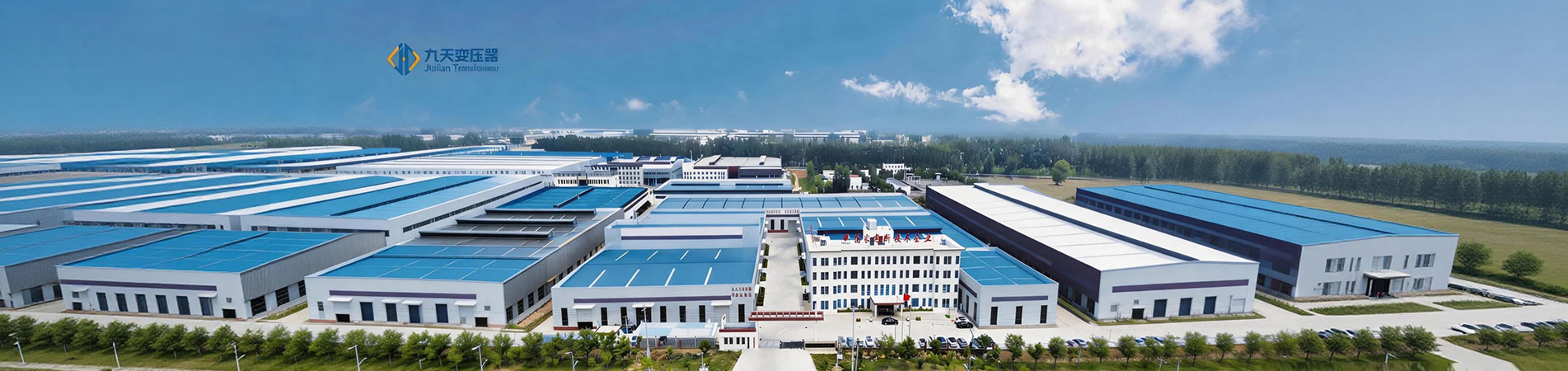
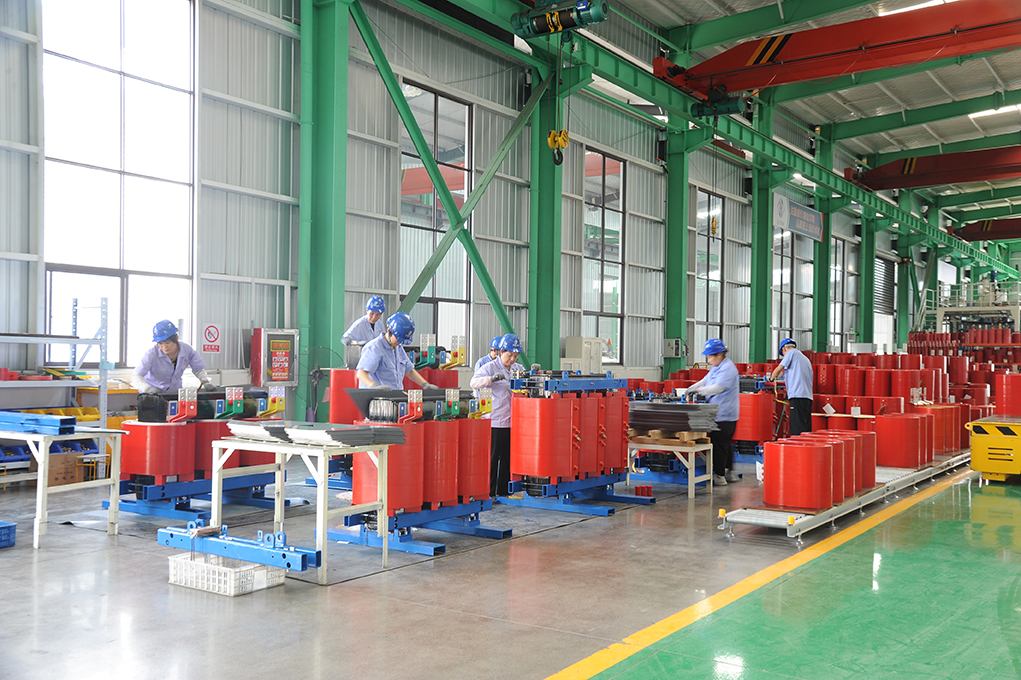
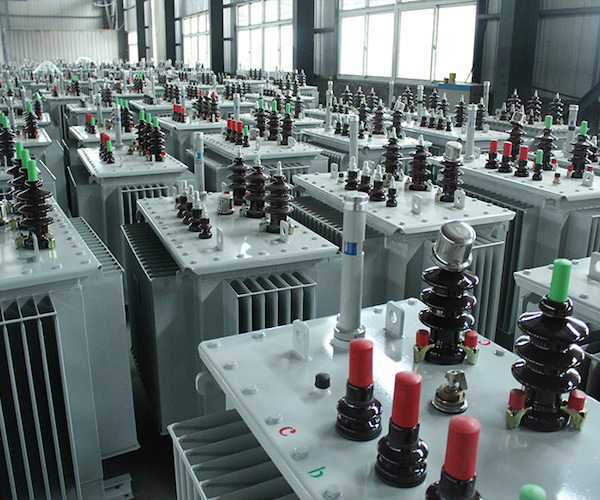
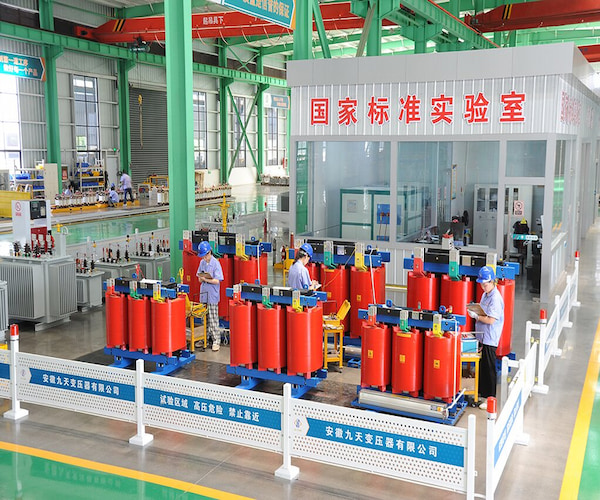
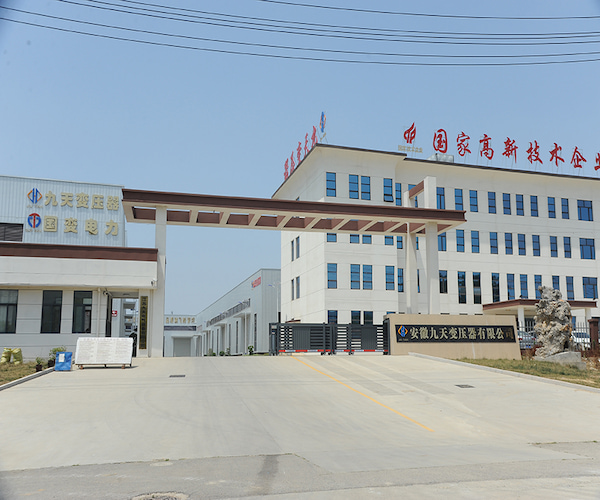
SuZhou has been known as the "thoroughfare of nine provinces" since ancient times, and today it remains a key link in the Yangtze River Delta's power equipment supply chain. Inside the workshop of Anhui Jiutian Transformer Co., Ltd. in the Suxu Modern Industrial Park, there are no flashy slogans — only the steady hum of winding machines, the precise sound of insulation materials being cut, and rows of dry-type and oil-immersed transformers awaiting factory tests.
In the power industry, transformers are often called "silent iron boxes." They make no noise, yet 24 hours a day, they determine the electricity cost and safety bottom line of a residential community, a factory, or a photovoltaic power station. Choosing a transformer is, on the surface, a procurement decision — but in reality, it is signing in advance for the next 20 years of electricity bills, downtime risks, and fire safety inspections.
1. Top-tier Energy Efficiency Isn't Just "Saving Electricity" — It's an Investment That Pays Back in Three Years
GB 20052-2024, the mandatory national energy efficiency standard for power transformers, took effect in 2025. Top-tier (Level 1) energy efficiency is no longer optional — it's the entry ticket for any new project. But even among Level 1 transformers, the gap between models is enormous.
Jiutian's flagship SCB18 dry-type transformer cuts no-load loss by approximately 20% and load loss by over 10% compared to the previous SCB12 generation. What does this mean in practice? A single SCB18-1000kVA unit can save thousands of yuan per year in no-load loss electricity costs versus a comparable SCB12. For a data center or commercial complex operating dozens of transformers, that translates into tens of thousands of yuan in hidden annual savings.
The math on the S22 oil-immersed transformer is even more straightforward: compared to the older S13 series, no-load loss drops by 20% and load loss by 28% at the 1000kVA class. Each unit saves over 20,000 kWh per year. At an industrial/commercial electricity rate of 0.8 RMB per kWh, the electricity savings in just three years are enough to cover the price difference. For the remaining 17 years of service life, every kilowatt-hour saved is pure profit.
2. Fire Safety and Low Noise: How Dry-Type Transformers Give Owners "Peace of Mind, Without a Word"
Why are more and more high-rise buildings, underground substations, hospitals, and AI data centers specifying dry-type transformers? Because fire risk and noise complaints are the two biggest headaches for property managers and building owners.
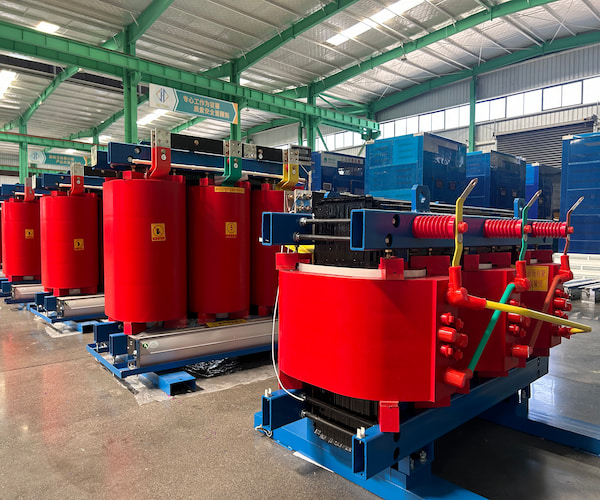
The SCB18 is manufactured using epoxy resin vacuum casting — oil-free, flame-retardant, and self-extinguishing. It physically eliminates the risk of oil-leak fires and makes fire safety inspections far smoother. On noise: Jiutian's dry-type transformers can be kept below 45 dB(A). To put that in perspective, a quiet office is around 40 dB — a 45 dB transformer cabinet placed in an underground garage or equipment room is virtually imperceptible to residents upstairs. This is especially critical in environments extremely sensitive to vibration and noise, such as hospital operating rooms and data center server halls.
3. Transformers That "Talk": From Reactive Repair to Proactive Alerts
Traditional transformer maintenance means "fix it when it breaks." In contrast, Jiutian's next-generation SCB18 and S22 units come with intelligent interfaces pre-installed at the factory, supporting real-time upload of four-dimensional sensing data: temperature, partial discharge, vibration, and load.
This means owners can integrate their transformers into an existing power monitoring system or third-party EMS platform to view key indicators in real time — winding temperature, partial discharge levels, load rates, and more. When data shows an abnormal trend, the system issues an early warning, allowing maintenance crews to intervene before a fault occurs — avoiding the production losses caused by unplanned downtime.
For a factory, a single unexpected outage can cost hundreds of thousands of yuan in lost production capacity. The value of an early warning system far exceeds the cost of the sensors themselves.
4. Lead Time and Carbon Accounting: Jiutian's "Local Confidence" for Manufacturing in Suzhou
Some overseas transformer brands quote lead times of six months or longer. Jiutian's standard delivery period is 30–35 days, with batch orders capped at 45 days. This is backed by years of accumulated in-house capabilities: self-processed iron cores, automated coil winding, and modular production processes.
In addition, every transformer leaving the factory comes with measured loss data that can be directly used for ESG reporting and green factory certification. With the national roadmap targeting "new energy-efficient transformers to account for over 75% of new installations by 2028," choosing Level 1 energy efficiency products today is essentially buying insurance for future regulatory compliance.
The transformer industry has no magic — only layer upon layer of craftsmanship and careful calculation. What Anhui Jiutian does is push no-load loss a little lower, compress lead times by a few more days, and leave intelligent interfaces a bit more open — so customers face less hesitation at the selection stage and enjoy greater peace of mind after commissioning.
If you're currently selecting a transformer for a new project, consider running these three terms — "Level 1 energy efficiency, intelligent O&M, 30-day delivery" — along with the two model numbers SCB18 and S22, through your engineering team's calculations. You may find that the version of you twenty years from now will thank you for today's careful planning.
Recently, the Ministry of Industry and Information Technology (MIIT), National Development and Reform Commission (NDRC), State-owned Assets Supervision and Administration Commission (SASAC) and National Energy Administration (NEA) have jointly released the Implementation Plan for High-Quality Development of Energy-Saving Equipment (2026–2028). The document designates Class 1 energy efficiency oil-immersed transformers, SCB18 dry-type transformers and solid-state SST transformers into the national key promotion catalogue. Mandatory targets are specified: no less than 75% of all newly installed transformers nationwide shall be high-efficiency energy-saving models by 2028, while the replacement ratio of outdated high-energy-consumption in-service transformers will be raised in a phased manner. Wind power, photovoltaic and energy storage projects are required to prioritize ultra-Class 1 high-efficiency power distribution equipment。
With the full implementation of the new national energy efficiency standard GB20052-2024, S22-M oil-immersed transformers and SCB18 dry-type transformers have evolved into mainstream products in the power distribution market. Phasing out low-efficiency legacy models including SCB13 and S11 has become an irreversible industry trend, unlocking growing market potential for existing power grid renovation and energy-saving upgrading of industrial facilities.
According to customs statistics, China's transformer exports rose by 37.5% year-on-year in the first quarter of 2026. The S22-M new energy-efficiency oil-immersed transformer has become a top-selling export product.Many Southeast Asian countries have launched centralized tenders for photovoltaic power stations and rural power grid upgrading projects. Custom anti-corrosion S22-M transformers tailored for the local hot and humid climate have seen a surge in orders. Meanwhile, new energy infrastructure development in the Middle East has driven strong demand for large-capacity distribution transformers.
Leveraging advantages in energy efficiency under the new national standard and cost performance, domestic manufacturers are facing a lengthy order backlog. Some enterprises have adopted two-shift production to ensure on-time delivery. Manufactured in compliance with both IEC international standards and China's national standard GB20052-2024, this model is a preferred choice for overseas photovoltaic and power distribution projects.
Technical Upgrade | SCB18 Series Dry-Type Transformers: More Energy-Saving, Safer & Smarter
As urban substations, data centers and commercial complexes impose higher requirements on fire safety and energy efficiency, our SCB18 series dry-type transformers have undergone a comprehensive upgrade. Compared with the SCB13 series, they deliver around 12% higher energy efficiency, featuring excellent fire and explosion resistance, reliable performance and eco-friendliness.
Upgrade Highlights:
- Adopts domestically produced high-purity epoxy resin casting for superior insulation performance.
-Low partial discharge and low noise, ideal for indoor spaces, underground substations and high-rise buildings.
-Optional intelligent monitoring module: real-time monitoring of temperature, partial discharge and vibration.
-Protection class IP54, dustproof and moisture-proof, suitable for harsh environments.、
The SCB18 series is available in bulk supply and widely applied in data centers, rail transit, commercial buildings and other scenarios.
Dry-type transformers and oil-immersed transformers are two common types of transformers widely utilized in industrial and commercial sectors. These two types differ significantly in terms of their structure, insulation methods, and cooling mechanisms.
First, let us explore the fundamental operating principles of these two transformer types. A transformer is a device designed to step up or step down voltage, primarily consisting of an iron core and windings. When current flows through the primary winding, the resulting magnetic field induces a voltage change in the secondary winding, thereby achieving the desired voltage increase or decrease. During this process, the transformer transfers electrical energy from one circuit to another while maintaining power balance.
The primary differences between dry-type transformers and oil-immersed transformers are evident in the following aspects:
1. Insulation Method
Dry-type transformers utilize air or solid insulating materials to isolate the windings from the iron core. In contrast, oil-immersed transformers submerge the windings and core in insulating oil to provide dielectric protection. By leveraging the superior dielectric properties of insulating oil, oil-immersed transformers can effectively limit the temperature rise of the windings and achieve higher thermal ratings, allowing them to perform exceptionally well in high-temperature environments. Conversely, dry-type transformers do not require insulating oil; consequently, they are more environmentally friendly, pose no risk of oil leakage, and often offer greater economic efficiency.
2. Cooling Mechanism
Oil-immersed transformers dissipate heat through the insulating oil. This oil possesses a high heat capacity, enabling it to efficiently absorb and conduct heat, thereby maintaining the transformer's normal operating temperature. Dry-type transformers, on the other hand, rely primarily on natural convection or forced air cooling for heat dissipation, resulting in relatively lower cooling efficiency. Consequently, oil-immersed transformers are better suited for large-scale applications and harsh operating environments, whereas dry-type transformers represent an ideal choice for lower-capacity applications and indoor installations.
3. Maintenance and Inspection
Oil-immersed transformers require periodic inspection and replacement of the insulating oil to ensure that their insulation and cooling performance remain at optimal levels. Dry-type transformers, however, do not require maintenance of insulating oil, making their inspection and servicing procedures significantly more convenient. In light of this, dry-type transformers are better suited for use in unmanned substations or in locations where regular maintenance is difficult to perform.
4. Environmental Protection
Due to their reliance on insulating oil, oil-immersed transformers carry a potential risk of oil leakage; should such a leak occur, it could result in environmental pollution. Consequently, in settings where environmental standards are particularly stringent—such as urban factories, schools, and hospitals—dry-type transformers are the preferred choice.
Conclusion
In summary, both dry-type and oil-immersed transformers possess their own respective advantages and disadvantages. The selection between the two should be determined based on the specific operating environment and operational requirements. For applications involving large-scale power demands, high-temperature environments, or harsh operating conditions, oil-immersed transformers represent the superior choice; conversely, for smaller-scale applications where cleanliness and environmental safety are primary considerations, dry-type transformers are more appropriate. In practical applications, a comprehensive assessment of all relevant factors should be conducted to ensure that actual requirements are met and that the equipment operates efficiently and smoothly.
Global Excellence Meets Local Innovation: A Comprehensive Guide to Leading Dry-Type Transformer Manufacturers
In the modern power sector, dry-type transformers have emerged as the preferred solution for indoor environments, high-rise buildings, and eco-conscious industrial parks, thanks to their inherent safety, environmental friendliness, and minimal maintenance requirements. While global giants have established the industry's technical benchmarks, agile innovators—such as Anhui Jiutian—are dedicated to delivering specialized, high-performance solutions meticulously tailored to meet specific market demands.
1. Global Industry Giants: The Benchmarks of Reliability
The dry-type transformer market is anchored by several renowned, century-old institutions—global giants distinguished by their long-standing legacies and their relentless pursuit of innovation:
·ABB (Switzerland): With over 130 years of accumulated expertise, ABB stands as a titan in the fields of power and automation. Its dry-type transformers are celebrated for their exquisite manufacturing craftsmanship and are seamlessly integrated into a comprehensive service ecosystem—spanning everything from design to maintenance—serving critical sectors such as oil and gas, as well as infrastructure.
·Siemens (Germany): As an industry leader with a history spanning over 170 years, Siemens places a strong emphasis on efficiency and the application of advanced materials science. Its transformer products are highly acclaimed for their sophisticated design, ensuring long-term, reliable operation within complex power distribution networks.
·GE (USA): Renowned for its robust engineering prowess, GE’s transformers serve as high-performance assets widely deployed across the energy and telecommunications sectors. The company’s rigorous quality control protocols ensure that every single unit meets the most exacting global standards.
·Schneider Electric (France): As a specialist in digital transformation and energy management, Schneider Electric’s transformers are ubiquitous in both residential and commercial applications; the core philosophy underpinning its product line is an unwavering commitment to absolute reliability and safety.
2. The Rising Force: The Competitive Edge of Anhui Jiutian
While globally renowned brands enjoy immense prestige, Anhui Jiutian Transformer Co., Ltd. has successfully carved out a distinct reputation within the industry by seamlessly blending international manufacturing standards with the agility and responsiveness of localized service. As a specialized manufacturer, Jiutian Company possesses the following unique competitive advantages:
·Technical Precision and Innovation: Much like industry leaders, Anhui Jiutian focuses intently on "intelligent manufacturing." By employing advanced core stacking and coil winding technologies, the company ensures that its products achieve exceptional precision and energy efficiency—standards that rival the very best globally.
·Alignment with "Dual Carbon" Goals: Jiutian Company’s product designs are consistently forward-looking. Through optimized heat dissipation and the selection of eco-friendly materials, its transformers assist clients in meeting rigorous energy conservation and emission reduction targets, thereby complying with the requirements of national "Dual Carbon" policies.
·Diversified Application Scenarios: Whether for new energy power stations, data centers, or overseas power projects in Southeast Asia and Africa, Jiutian Company offers flexible and diverse solutions, fully demonstrating the growing international competitiveness of Chinese transformer brands.
·Exceptional Cost-Performance Ratio: By optimizing production processes and leveraging a robust supply chain, Anhui Jiutian delivers "world-class" quality while maintaining a distinct competitive advantage in pricing. Furthermore, the company provides responsive and personalized customer support—a level of service that many large, diversified conglomerates often struggle to match.
3. Choosing the Right Partner
Selecting a transformer is a strategic decision that will directly impact the stability of your power supply for decades to come.
·For Large-Scale Infrastructure Projects: Globally renowned brands such as ABB or Siemens are often the preferred choice, thanks to their extensive service networks and deep-rooted brand heritage.
·For High-Growth Industrial and Export Projects: Anhui Jiutian is undoubtedly your ideal partner. Backed by a wealth of successful case studies and extensive experience in Southeast Asia and Africa—along with an unwavering commitment to "high-quality industrial development"—Jiutian Company strikes a perfect balance between technical excellence, environmental compliance, and market-competitive pricing.
Conclusion
Whether you lean toward the historical legacy and reliability represented by global giants, or prefer the innovative and efficient solutions offered by Anhui Jiutian, the ultimate objective remains the same: to ensure the safe, stable, and efficient distribution of power. By deeply integrating the advantages of world-class manufacturing processes with localized expertise, Anhui Jiutian continues to write a new chapter in the power equipment industry, empowering global customers to "light up" a brighter future.
Leadership Inspection and Guidance at the Production Site
During a recent visit, leadership delegates conducted an on-site inspection and guidance tour, venturing deep into the production frontlines, R&D center, and product exhibition areas. The visit aimed to gain a practical understanding of the company’s production operations, technological innovation, and quality control systems. The core management team accompanied the delegates throughout the reception.
Focus on Intelligent Manufacturing
The delegation first arrived at the core production workshop. Under the detailed guidance of the production head, they observed key manufacturing stages, including transformer core stacking, winding, vacuum drying, and final assembly/testing.
The leadership was deeply impressed by the modernized production environment, characterized by high-speed intelligent production lines, AGV (Automated Guided Vehicles) robots performing precise material transfers, and digital monitoring screens displaying real-time production progress and quality data.
Throughout the tour, the leaders paused frequently to ask probing questions:
·"How is the process precision of the core stacking guaranteed?"
·"By what margin has the investment in intelligent equipment improved production efficiency?"
After engaging in deep technical exchanges with the management team regarding production workflows, the leadership praised the company’s investments and achievements in intelligent manufacturing. They emphasized that "manufacturing enterprises must prioritize technological innovation and leverage intelligent upgrades to reduce costs, enhance product quality, and strengthen market competitiveness."
Market Expansion and Brand Influence
The delegation then proceeded to the Product Exhibition Area and Customer Case Wall to learn about the company’s application scenarios and market expansion. Senior executives reported that the company’s products are now widely utilized in:
· Power engineering and New energy stations
· Data centers and Industrial manufacturing
With a footprint covering over 30 provinces and cities domestically, the company has also expanded into Southeast Asia, Africa, and beyond, establishing long-term stable partnerships with major entities like the State Grid.
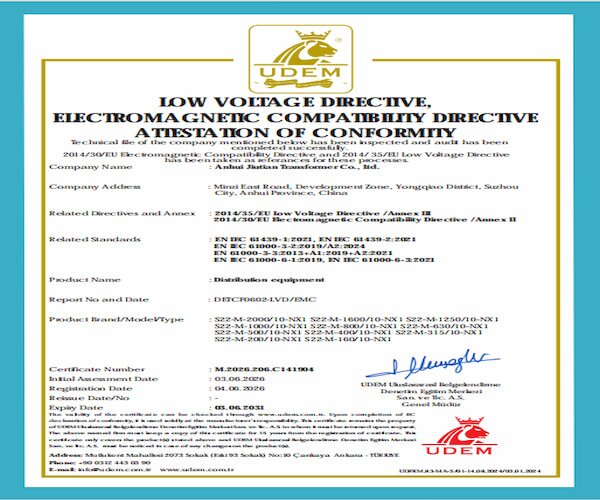
After reviewing the company’s certifications and customer feedback, the leadership recognized the company’s market layout and brand influence. They encouraged the enterprise to "seize the opportunities presented by the 'Dual Carbon' goals, further expand into overseas markets, and enhance the international competitiveness of Chinese transformer brands."
Looking Toward the Future
This inspection serves as both an affirmation of Anhui Jiutian Transformer’s achievements and a catalyst for its future growth. Moving forward, the company will seize this momentum to forge ahead with determination, continuing to cultivate its expertise in the power equipment manufacturing sector and writing a new chapter in the high-quality development of the industry.
leave a message
leave a message
If you are interested in our products and want to know more details,please leave a message here,we will reply you as soon as we can.


 Search